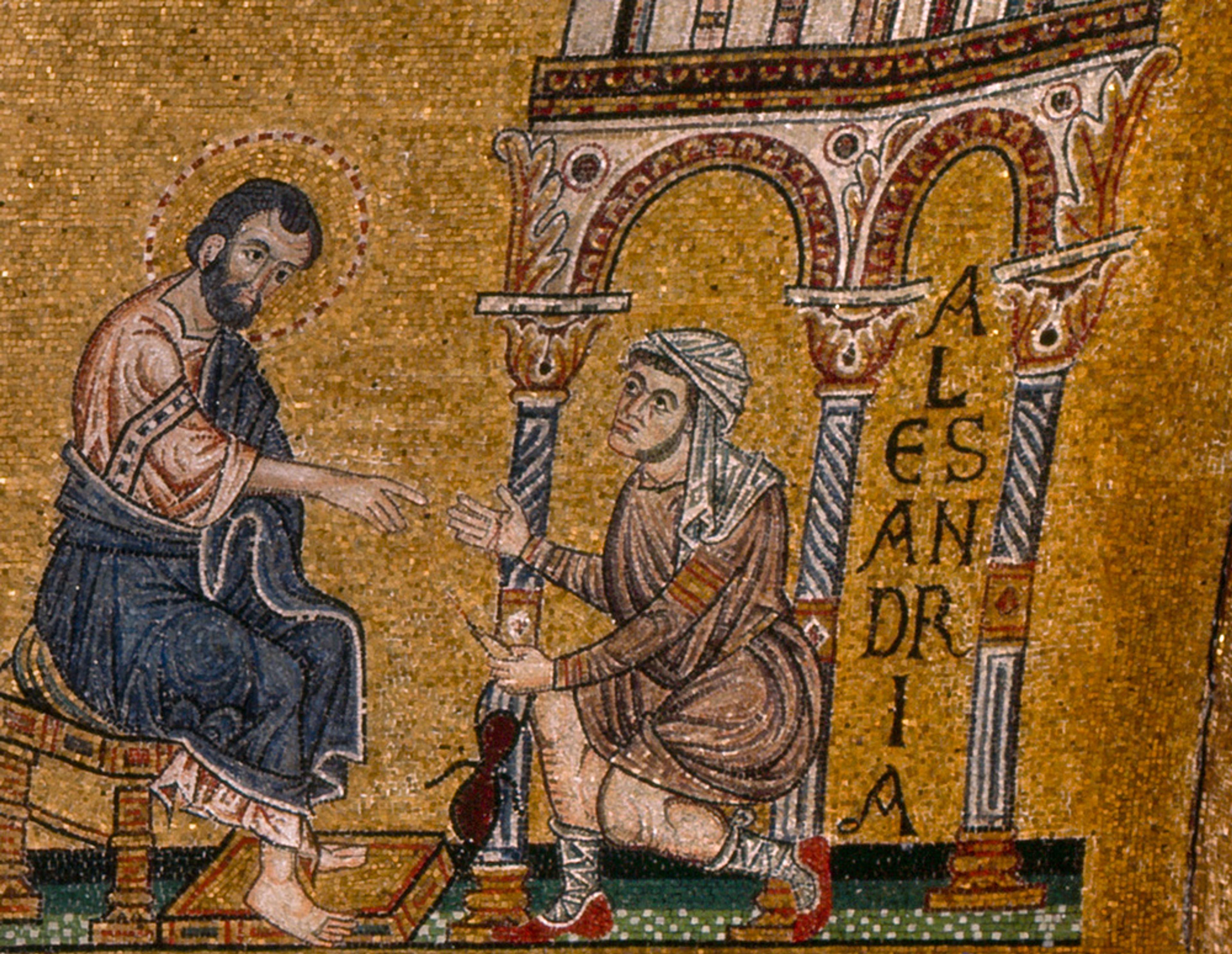
In medieval art, the body was never just flesh. It was a vessel of divine will, a mirror of cosmic order, and a tool of earthly control. From emaciated saints to crowned rulers flanked by angels, the human form was carefully constructed—not to reflect reality, but to project doctrine, legitimacy, and spiritual hierarchy. This wasn’t portraiture in the modern sense. It was theology carved in stone, painted on wood, woven into tapestries. The body in medieval art was politicized, sanctified, and weaponized.
To understand medieval visual culture is to recognize that every gesture, posture, and proportion carried weight far beyond aesthetics. A raised hand wasn’t just a greeting—it was a blessing. A halo wasn’t mere decoration—it signaled participation in the divine. And a king depicted larger than his subjects? That was visual propaganda. In an era where most people were illiterate, images functioned as sermons, laws, and manifestos. The body became the primary site where theology and politics converged.
The Sacred Body: Flesh as Divine Interface
Medieval Christian theology held that the body was both flawed—tainted by original sin—and potentially holy, especially when inhabited by divine presence. The Incarnation—the belief that God became flesh in Christ—elevated the human form to unprecedented spiritual significance. This paradox shaped medieval art: the body was simultaneously weak and transcendent.
Christ’s body in crucifixion scenes exemplifies this duality. Early medieval crosses often depicted Christ alive, eyes open, regal and triumphant—Christus triumphans. He was not a dying man but the ruler of heaven, his body preserved in glory. But by the 12th and 13th centuries, artists increasingly portrayed Christ suffering—pale, bloody, contorted. This shift to Christus patiens reflected growing theological emphasis on Christ’s human pain and sacrifice. The body became a site of empathy, inviting viewers to contemplate divine suffering.
Consider the Gero Crucifix (c. 970, Cologne Cathedral). One of the first life-sized crucifixes in Western Europe, it shows Christ’s body sagging under weight, muscles strained, face marked with agony. This wasn’t just realism—it was devotional strategy. The physicality of pain made salvation tangible. Worshippers weren’t just observing; they were meant to feel the weight of sin and redemption through the body on display.
Saints’ bodies followed similar logic. Relics—bones, hair, clothing—were central to medieval piety. A saint’s body, even in death, was believed to radiate divine power. Art amplified this: elongated limbs, luminous halos, and miraculous events framed around the body reinforced sanctity. Think of Giotto’s frescoes in the Scrovegni Chapel, where the resurrected Christ rises with a perfect, unblemished form—his body a sign of victory over death.
The Political Body: Authority Incarnate
While the Church sanctified the body, rulers used it to assert dominance. Kings and emperors knew that visual representation could cement power more effectively than any charter. In medieval art, rulers were often depicted with exaggerated scale, idealized features, and divine accessories—halos, scepters, thrones from which angels or saints leaned in approval.
Take the Coronation of Charlemagne in the Benoît de Sainte-Maure manuscript. Charlemagne kneels before Christ, who reaches down to crown him. The image isn’t historical—it’s ideological. It suggests that royal authority flows directly from God. The emperor’s body is not just crowned; it’s chosen.

Similarly, Byzantine mosaics like those in Hagia Sophia depict emperors and empresses standing rigidly, eyes forward, jewels cascading. Their bodies are static, symmetrical, almost architectural—designed not to move but to endure. They mirror the eternal order of heaven. In these images, the ruler’s body becomes a conduit of divine will, a living icon of stability.
Even in death, political bodies remained significant. Tomb effigies of kings and bishops show them in eternal repose, hands clasped in prayer, dressed in full regalia. These weren’t attempts at realism but affirmations of continued authority beyond the grave. The body, even in stone, was expected to perform—praying, commanding, witnessing.
Gender and the Body: Control, Purity, and Power
The medieval body was also deeply gendered. Female bodies in art were often portrayed as either dangerously seductive or miraculously pure. Mary, the Virgin Mother, was the ultimate model of the sanctified female form—modestly draped, eyes downcast, hands folded. Her body was both vessel and veil, concealing and revealing the divine.
But other women were depicted as threats. Eve, in countless cathedral carvings, is shown naked, often smaller than Adam, reaching for the forbidden fruit. Her body is the origin of sin—a visual shorthand for moral failure. Female saints like Mary Magdalene were frequently painted with long, loose hair, symbolizing both penitence and past transgression. Their bodies bore the marks of past sin, now redeemed through suffering.
Men, by contrast, were shown as active agents—warriors, preachers, rulers. Even when emaciated like Saint Anthony, their bodies signaled spiritual discipline, not moral weakness. The male body could endure hardship as a form of mastery; the female body was more often seen as needing mastery.
This gendered logic extended to political representation. Queens appeared in art, but rarely with the same authority as kings. When they did—like Empress Theodora in the Ravenna mosaics—they were framed within rigid ceremonial structures, emphasizing their role as extensions of imperial power, not independent rulers.
Disability and Deformity: Bodies Out of Divine Order
Medieval art rarely celebrated physical difference. Instead, disability was often interpreted through theological and political lenses—as punishment, test, or sign of divine mystery.
In cathedral sculptures, figures with hunched backs, missing limbs, or twisted faces sometimes appear on capitals or marginal carvings. But they’re rarely central. When they are, it’s often in the context of miracle stories—like the man born blind healed by Christ. Their bodies are not identities but problems to be solved by divine intervention.
Conversely, disfigured or grotesque bodies were used to represent evil. Devils and demons were given exaggerated features—claws, fangs, bestial limbs—marking them as outside the sacred order. The body’s form reflected its soul’s condition. A corrupted body signaled a corrupted spirit.
This had real-world consequences. People with visible disabilities were often excluded from religious roles or political life. Art reinforced these exclusions by visually marginalizing non-normative bodies. To be whole in body was to be aligned with divine and social order.
Architecture as Embodied Theology
Even buildings participated in this bodily theology. Gothic cathedrals were frequently described as bodies of Christ—nave as spine, transepts as arms, altar as heart. This wasn’t poetic metaphor. It shaped design.
At Chartres Cathedral, stained glass windows depict Christ’s body broken in the Eucharist, while the architectural space itself leads the worshipper toward the altar—the literal and symbolic body of Christ. Pilgrims didn’t just walk into a church; they entered a sacred organism.

Similarly, the placement of sculptures on portals turned the cathedral into a living text. The west façade of Notre-Dame de Paris shows Christ in Majesty at the central tympanum, his body radiating light, surrounded by apostles and elders. Below, the lintel depicts the resurrection of the dead—bodies rising, stretching, reassembling. The building becomes a stage for the ultimate theological event: the redemption of the body.
Art as Devotional Discipline For the medieval viewer, art wasn’t passive. It was a tool for spiritual formation. Gazing at an image of Christ’s wounds was meant to prompt contrition. Meditating on a saint’s martyrdom was supposed to cultivate courage.
This turned the body of the viewer into part of the artwork’s function. Augustine warned against idolatry, but by the 12th century, theologians like Bernard of Clairvaux acknowledged that images could guide the soul upward—even if they risked distraction.
Monastic communities used images as part of their daily discipline. A painted crucifix in a cloister would be the focus of hours of silent prayer. The body of Christ, displayed in pain, was meant to align the monk’s body with humility and repentance.
Even in private devotion, books of hours contained miniatures of the Virgin nursing the Christ child—intimate, human moments designed to evoke emotional connection. The body was not distant; it was accessible, touchable through contemplation.
Conclusion: The Body as Battlefield of Meaning
Medieval art didn’t depict bodies—it deployed them. Every limb, gesture, and garment served a purpose: to teach theology, enforce hierarchy, inspire devotion, or assert authority. The body was never neutral ground. It was contested terrain where church and state, doctrine and desire, played out in pigment and stone.
Today, we may see these images as archaic or stylized. But their power lay in their ability to shape belief through the physical. They remind us that representation is never innocent. In an age before mass media, art was the dominant force in constructing reality—and the body was its most potent symbol.
To study medieval art is to see how power and piety mold the human form. And in our own era of filtered selfies and political imagery, that lesson remains urgent.
FAQ
Why are bodies in medieval art often unrealistic? Medieval artists prioritized symbolic meaning over realism. Proportions, poses, and features were adjusted to reflect spiritual status, not physical accuracy.
Did medieval people see art the same way we do? No. Most viewed religious images as active participants in worship—windows to the divine, not just decorations.
How did politics influence depictions of Christ? Rulers used Christ’s image to justify their authority, often showing themselves receiving crowns or blessings directly from him.
Were disabled people represented in medieval art? Rarely in positive roles. Disability was usually shown as a condition to be healed, often emphasizing divine power over human limitation.
Why are saints often shown with specific body parts? Attributes—like Saint Lucy with eyes on a plate—were visual shorthand for their martyrdom or miracles, making them identifiable and memorable.
Was nudity allowed in medieval art? Only in specific contexts—like Adam and Eve before the Fall or resurrected bodies. Nudity was symbolic, not erotic.
How did gender affect artistic representation? Women were typically shown as either pure (Mary) or fallen (Eve), while men were depicted as active, authoritative figures—even in suffering.
FAQ
What should you look for in How Medieval Art Turned the Body into Sacred Power? Focus on relevance, practical value, and how well the solution matches real user intent.
Is How Medieval Art Turned the Body into Sacred Power suitable for beginners? That depends on the workflow, but a clear step-by-step approach usually makes it easier to start.
How do you compare options around How Medieval Art Turned the Body into Sacred Power? Compare features, trust signals, limitations, pricing, and ease of implementation.
What mistakes should you avoid? Avoid generic choices, weak validation, and decisions based only on marketing claims.
What is the next best step? Shortlist the most relevant options, validate them quickly, and refine from real-world results.