A machine doesn’t need to be running to kill. A conveyor suddenly lurching forward during servicing. A press cycle activating mid-maintenance. A valve releasing pressurized steam from an unisolated line. These aren’t hypotheticals—they’re real risks in industrial and manufacturing settings. The solution? Lockout tagout.
At its core, lockout tagout (LOTO) is a safety procedure used to ensure that machines or equipment are properly shut off and cannot be restarted until maintenance or servicing is complete. But asking what is a lockout tagout used for goes beyond a technical definition. It’s about understanding how this system saves lives, prevents catastrophic injuries, and keeps operations compliant with safety regulations.
Let’s break down its purpose, how it works in practice, and why cutting corners here isn’t just risky—it’s reckless.
The Core Purpose: Preventing Unexpected Energy Release
Machines rely on multiple energy sources—electrical, hydraulic, pneumatic, chemical, thermal, or gravitational. When maintenance is needed, simply pressing “off” isn’t enough. Residual energy can remain trapped in systems, waiting to discharge with deadly force.
What is a lockout tagout used for? It’s used to physically isolate all energy sources and prevent accidental re-energization while workers are exposed to hazardous parts.
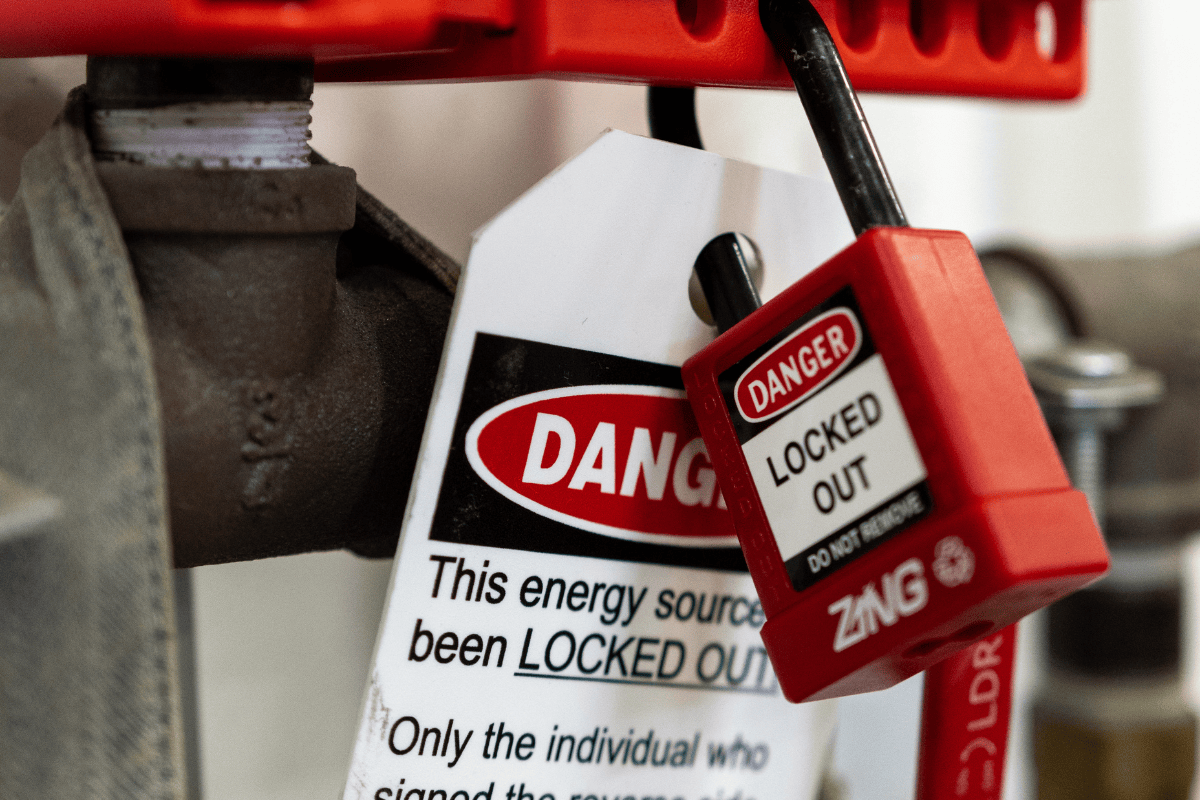
For example, a technician replacing a motor on a packaging line must: - Shut down the machine at the control panel - Disconnect it from the electrical supply - Release any stored pressure in pneumatic lines - Lock the disconnect switch in the off position - Attach a tag explaining why the lock is in place and who applied it
Without these steps, another worker could power the system back on, assuming it’s safe—triggering motion that leads to amputation, crushing, or electrocution.
OSHA estimates that proper lockout tagout practices prevent 120 fatalities and 50,000 injuries annually in the U.S. alone. The financial and human cost of skipping LOTO? Far too high.
How Lockout Tagout Works in Real-World Settings
Understanding what is a lockout tagout used for means seeing it in action. It’s not just a lock and tag—it’s a systematic process followed in sequence.
#### The 6-Step LOTO Procedure
- Preparation – Identify all energy sources powering the equipment. Review the site’s energy control plan.
- Notification – Alert all affected employees that maintenance is about to begin.
- Shutdown – Use normal operating controls to turn off the equipment.
- Isolation – Physically disconnect or block all energy sources (e.g., circuit breakers, valve closures).
- Application of Locks/Tags – Each authorized employee applies their personal lock and tag to every isolation point.
- Verification – Attempt to restart the machine (with controls) to confirm zero energy. Only proceed if the machine does not start.
This sequence is non-negotiable. Skipping isolation or skipping verification is how accidents happen.
#### Common Use Case: Conveyor System Maintenance
Imagine a food processing plant where a conveyor belt jams. Maintenance staff must clear the blockage. Here’s how LOTO applies:
- The operator shuts down the system via the emergency stop.
- The electrician locks out the main motor disconnect with a hasp and padlock.
- A mechanic closes and locks the air supply valve to the alignment cylinders.
- Each worker places their tag: “DO NOT OPERATE – Clearing Jam, John D., 9:15 AM.”
- Before entering the danger zone, they verify no residual motion or pressure exists.
This layered approach ensures that no single point of failure can compromise safety.
Who Uses Lockout Tagout and Where?
While manufacturing and heavy industry come to mind first, LOTO is relevant in any environment where machinery poses an energy hazard.
Industries relying on LOTO include: - Manufacturing: Assembly lines, CNC machines, robotic arms - Utilities: Power plants, water treatment facilities - Construction: Heavy equipment like compressors and lifts - Healthcare: MRI machines, sterilizers, HVAC systems - Agriculture: Tractors, grain augers, irrigation pumps
Even an office building uses LOTO when electricians service breaker panels or HVAC technicians work on rooftop units.
The key distinction is between authorized employees (those trained to perform LOTO) and affected employees (those who operate or use the equipment but don’t service it). Only authorized personnel apply locks and tags—but all must respect them.
Components of a Lockout Tagout System
LOTO isn’t a single tool—it’s an ecosystem of devices and procedures working together. Knowing what is a lockout tagout used for means understanding the hardware behind it.
| Component | Purpose |
|---|---|
| Lockout Hasps | Allow multiple locks to be applied to one isolation point |
| Circuit Breaker Lockouts | Prevent re-energizing electrical panels |
| Valve Lockouts | Secure closed positions on fluid or gas lines |
| Padlocks | Personal locks, keyed differently for each worker |
| Tags | Warning labels with names, dates, and reasons for lockout |
These aren’t optional accessories. They’re engineered solutions designed to withstand harsh environments and resist tampering.
For example, a standard valve lockout for a steam line must endure extreme heat and pressure. Generic plastic tags won’t suffice—metal or high-temp polymer versions are required.
Why Tags Alone Aren’t Enough
A common misconception is that “tagout” alone is sufficient. It’s not.
Tagout relies on awareness and discipline. Lockout provides physical enforcement. OSHA permits tagout only when energy isolation cannot be locked, and even then, requires additional safety measures like removing valves or circuit breakers.
Real-world failure: In one incident, a worker tagged a motor control unit but didn’t lock it. A supervisor, unaware of the maintenance, reset the panel. The motor engaged, pulling the technician’s arm into a drive mechanism.
This is why LOTO emphasizes lockout first. Tags are warnings. Locks are barriers.
Common Mistakes That Undermine LOTO Effectiveness
Even with procedures in place, human error and poor culture erode safety. Knowing what is a lockout tagout used for includes recognizing where it fails.

Top mistakes: - Group lockout confusion – Multiple workers using a single lock instead of individual ones - Lost keys – No backup key control system leads to forced removal - Skipping verification – Assuming isolation worked without testing - Using personal locks for non-LOTO tasks – Weakens the lock’s safety significance - Inadequate training – New hires or contractors unaware of site-specific procedures
One steel mill reported a 70% drop in LOTO violations after switching to color-coded locks by department and enforcing mandatory refresher training every six months. Small changes, big impact.
Limitations and When LOTO Isn’t the Answer
While powerful, lockout tagout isn’t a fix-all.
LOTO applies to routine servicing and maintenance—not normal production operations. For example, clearing a minor jam during ongoing production might be exempt if it’s repetitive and minimal exposure (under OSHA’s “minor servicing exception”).
However, this exception is narrow. If the task requires bypassing a guard or reaching into a danger zone, full LOTO applies.
Also, LOTO doesn’t protect against non-energy hazards like confined spaces, chemicals, or falling objects. It’s one layer in a broader safety system.
Building a Reliable LOTO Program
Knowing what is a lockout tagout used for is step one. Implementing it effectively is the real challenge.
Critical elements of a successful program: - Written energy control procedures for each machine - Annual audits of LOTO practices - Employee training with hands-on drills - Lockout stations with all necessary devices (locks, tags, hasps) - Clear accountability (only the person who applied a lock can remove it)
One automotive plant reduced serious incidents by 85% within two years by introducing shadow audits—where safety officers quietly observe LOTO compliance without warning.
Culture matters. When workers see managers applying their own locks and respecting tags, compliance becomes instinctive.
Final Thought: LOTO Is More Than Compliance—It’s a Mindset
What is a lockout tagout used for? To isolate energy. To protect lives. To enforce accountability.
But deeper down, it’s a ritual that reminds every employee: safety isn’t optional, and urgency never overrides procedure.
Whether you’re changing a filter or rebuilding a press, the question isn’t “Do I have time for LOTO?” It’s “Can I afford not to do it?”
Implement it rigorously. Train without compromise. Audit without exception.
Because when the machine powers back on, the only thing that should restart is production—not the investigation.
FAQ
What types of energy does lockout tagout control? LOTO controls electrical, mechanical, hydraulic, pneumatic, chemical, thermal, and gravitational energy sources.
Can you use someone else’s lock in a LOTO procedure? No. Each authorized employee must use their own personal lock. Only they can remove it.
Is tagout as effective as lockout? No. Tagout relies on warnings, not physical barriers. OSHA allows it only when lockout isn’t feasible, and with extra safeguards.
How often should LOTO procedures be reviewed? At least annually, or whenever equipment, processes, or staff roles change significantly.
Who is responsible for enforcing LOTO compliance? Both management and authorized employees share responsibility. Employers must provide training and equipment; workers must follow procedures.
Do all employees need LOTO training? Affected employees need basic awareness training. Only authorized personnel require full LOTO procedure training.
Can LOTO be automated? Yes. Some systems use automated energy isolation with digital verification, but human oversight and accountability remain essential.
FAQ
What should you look for in What Is a Lockout Tagout Used For and Why It Matters? Focus on relevance, practical value, and how well the solution matches real user intent.
Is What Is a Lockout Tagout Used For and Why It Matters suitable for beginners? That depends on the workflow, but a clear step-by-step approach usually makes it easier to start.
How do you compare options around What Is a Lockout Tagout Used For and Why It Matters? Compare features, trust signals, limitations, pricing, and ease of implementation.
What mistakes should you avoid? Avoid generic choices, weak validation, and decisions based only on marketing claims.
What is the next best step? Shortlist the most relevant options, validate them quickly, and refine from real-world results.