Every year, preventable machinery accidents occur because lockout tagout (LOTO) procedures aren’t properly communicated. A missing sign, a faded tag, or unclear labeling can turn routine maintenance into a life-threatening incident. That’s where printable lockout tagout signs come in—not as a shortcut, but as a smart, scalable solution for maintaining compliance and clarity across facilities.
These aren’t just paper placeholders. When designed correctly, printable LOTO signs deliver the same visual authority and regulatory alignment as their permanent counterparts—without the lead time or inventory cost. They’re ideal for temporary setups, seasonal equipment, training drills, or facilities scaling their safety programs.
Here’s how to use them effectively, what to include, and where to source reliable templates.
Why Printable LOTO Signs Matter in Real-World Safety
Lockout tagout isn’t just about shutting off a machine. It’s about creating a clear, verifiable system that prevents accidental startup during maintenance. Signs are a critical part of that system—they signal danger, assign responsibility, and document procedure.
Printable signs bridge the gap when: - You’re setting up a new work cell and need immediate signage - A permanent sign is damaged or missing - You’re training new employees and need disposable training aids - You operate across multiple locations with rotating equipment
They may be temporary, but their impact isn’t. A study by the National Institute for Occupational Safety and Health (NIOSH) found that 10% of serious industrial injuries involved failures in energy control procedures—many due to poor communication. A clearly visible, properly filled-out LOTO sign reduces that risk significantly.
What Makes a Printable LOTO Sign Effective
Not all printable signs are created equal. A poorly designed template can do more harm than good. For a printable LOTO sign to be effective, it must meet three core criteria: clarity, compliance, and durability.
Clarity: Designed for Instant Recognition
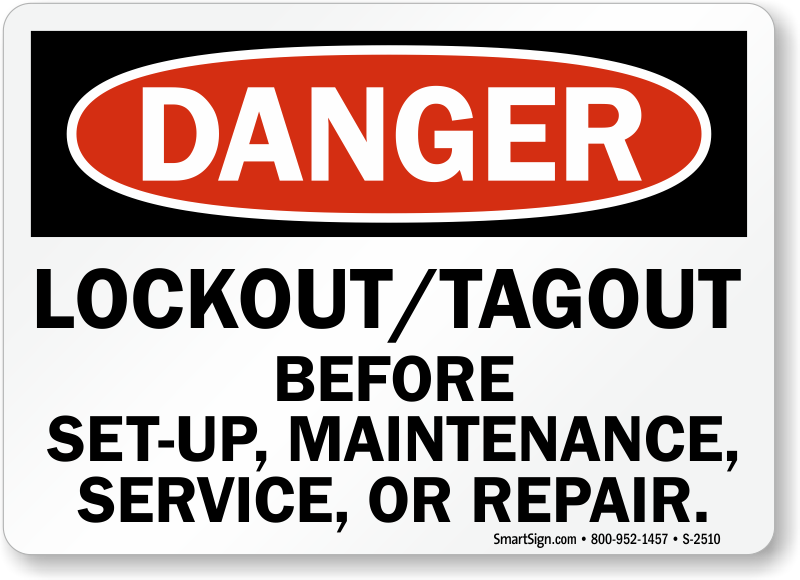
Workers under pressure don’t have time to decode cluttered signs. An effective LOTO sign uses: - High-contrast colors (red for danger, yellow for caution) - Bold, sans-serif fonts - Universal symbols (like the padlock icon) - Minimal text with maximum impact
Example: A sign that reads “DANGER – DO NOT OPERATE. LOCKED OUT BY: J. SMITH – 08:45 AM” is clearer than one listing procedural steps.
Compliance: Aligned
with OSHA 1910.147
OSHA’s control of hazardous energy standard doesn’t mandate sign material—it mandates function. Your printable sign must: - Identify the worker responsible - State the reason for lockout - Include the date and time - Warn against operation
Some templates include a QR code linking to the full LOTO procedure, which adds traceability without cluttering the sign.
Durability: Surviving the Work Environment
Paper signs can fail fast in industrial settings. To ensure longevity: - Print on cardstock (110 lb minimum) - Laminate or use adhesive sleeves - Use weather-resistant ink (pigment-based, not dye)
Tip: Test print one sign and tape it near a high-traffic machine for a day. If it fades, curls, or smudges, upgrade your materials.
Common Mistakes with Printable LOTO Signs (And How to Avoid Them)
Even well-intentioned teams make avoidable errors. Here are four frequent missteps—and how to correct them.
1. Using Generic Templates Without Custom Fields
Many free templates lack space for employee name, department, or equipment ID. Result? Workers skip fields or scribble details in margins.
Fix: Use or modify templates with structured input zones. Include: - Name of authorized employee - Department or shift - Equipment ID or location - Date and time of lockout - Reason for lockout (e.g., pump repair, motor replacement)
2. Printing on Standard Printer Paper Flimsy paper tears, absorbs oil, or curls in humidity. Once damaged, the sign is no longer reliable.
Fix: Use heavyweight matte paper or synthetic labels. Zebra or Brother label printers with industrial tags offer better durability than standard office printers.
3. Not Integrating With Existing LOTO Procedures Printable signs can’t operate in isolation. If your team uses digital work orders or lockout logs, the sign should reference them.
Fix: Add a field like “Work Order #” or “LOTO Log ID” on the sign. This creates an audit trail and reinforces process adherence.
4. Assuming One Size Fits All A sign for a conveyor system needs different info than one for an electrical panel.
Fix: Create role-specific or equipment-specific templates. For example: - Electrical Lockout: Include voltage level and panel ID - Mechanical Lockout: Specify machine name and isolation point - Group Lockout: Add team member checklist and supervisor approval line
5 Top Sources for Reliable Printable LOTO Sign Templates
You don’t need to design from scratch. These proven sources offer professional, compliant templates:
| Source | Key Features | Best For |
|---|---|---|
| OSHA.gov | Free, regulation-aligned, basic designs | Facilities needing OSHA-compliant basics |
| SafetySign.com | Industry-specific, bilingual options, PDF/Word formats | High-traffic or multilingual sites |
| Creative Safety Supply | Customizable, includes PPE integration | Teams with branded safety programs |
| EHS Daily Advisor | Training-focused, includes drill scenarios | Safety training and onboarding |
| Template.net | Wide variety, editable, user-reviewed | Rapid deployment with minimal design work |
Pro tip: Download one template from each and run a pilot test. See which format your team actually uses and trusts.
When Printable Signs Shouldn’t Be the Only Solution
Printable signs are powerful—but they’re not ideal for every situation.
Use Permanent Signs Instead When:
- Equipment is fixed and used daily
- Environment is high-heat, high-moisture, or chemical-exposed
- Regulatory audits are frequent and strict
- You have standardized lockout points
In these cases, invest in aluminum, vinyl, or engraved signs. Reserve printable versions for exceptions, not the norm.
That said, even permanent sign systems benefit from printable backups. Keep a batch laminated and ready for emergencies.
Real-World Use Cases That Prove the Value

Case 1: Seasonal Brewery Equipment A craft brewery shuts down fermentation tanks for 3 months each year. Instead of installing permanent LOTO signs on rarely used equipment, they print and laminate signs only during shutdown. Saves cost, reduces visual clutter.
Case 2: Mobile Maintenance Teams Field technicians at a utility company carry a tablet with editable LOTO templates. On-site, they fill in details and print a sign using a portable thermal printer. Each sign includes GPS-tagged location and job ID for audit tracking.
Case 3: Manufacturing Training Lab A plant trains 50 new hires annually. They use printable signs during LOTO drills—workers fill them out, post them, and get instant feedback. No risk, full practice.
How to Integrate Printable LOTO Signs Into Your Safety Workflow
Make adoption seamless with this 5-step process:
- Audit Your Needs
- List equipment requiring temporary or supplemental signage.
- Select or Customize Templates
- Choose 3–5 core designs based on equipment type and team roles.
- Set Printing Standards
- Define paper type, lamination policy, and printer access.
- Train Your Team
- Run a 15-minute drill: print, fill, post, and remove a sign correctly.
- Review Monthly
- Check for worn signs, missing fields, or process gaps during safety walks.
Bonus: Store templates in a shared drive labeled “LOTO – Printable Signs – [Department]”. Include a README with usage guidelines.
Final Thoughts: Clarity, Compliance, and Control
Printable lockout tagout signs aren’t a compromise—they’re a strategic tool. When used with discipline, they extend your safety program’s reach without sacrificing standards.
The goal isn’t just to check a compliance box. It’s to make every worker’s responsibility visible, immediate, and unmissable. Whether you’re locking out a pump, a press, or a power source, the right sign—printed, posted, and respected—can be the difference between a safe shift and a preventable injury.
Start with one template. Test it. Refine it. Scale it. Safety shouldn’t wait for perfect conditions. With printable LOTO signs, it doesn’t have to.
FAQ
Can printable LOTO signs be used in OSHA inspections? Yes, as long as they meet OSHA 1910.147 requirements: they must be legible, durable, and contain required information like employee name and lockout time.
Do I need to laminate printable LOTO signs? Highly recommended. Lamination protects against moisture, grease, and wear—especially in industrial environments.
Can I customize the text on printable LOTO signs? Absolutely. Most templates are in Word or PDF form and allow you to add your company name, logo, or specific procedures.
Where should I store blank printable LOTO signs? Keep them near lockout stations, maintenance offices, or in toolkits—anywhere authorized employees can access them quickly.
Are printable signs suitable for group lockout procedures? Yes, but use a group LOTO template that includes multiple lock points, team member names, and supervisor verification.
Can I print LOTO signs on regular office paper? Not advisable. Use heavy cardstock or synthetic material to ensure the sign survives the work environment.
How often should printable LOTO signs be replaced? Replace immediately if damaged, faded, or altered. For preventive maintenance, review and reprint every 6–12 months.
FAQ
What should you look for in Printable Lockout Tagout Signs for Workplace Safety Compliance? Focus on relevance, practical value, and how well the solution matches real user intent.
Is Printable Lockout Tagout Signs for Workplace Safety Compliance suitable for beginners? That depends on the workflow, but a clear step-by-step approach usually makes it easier to start.
How do you compare options around Printable Lockout Tagout Signs for Workplace Safety Compliance? Compare features, trust signals, limitations, pricing, and ease of implementation.
What mistakes should you avoid? Avoid generic choices, weak validation, and decisions based only on marketing claims.
What is the next best step? Shortlist the most relevant options, validate them quickly, and refine from real-world results.